Imagine your production line slows to a crawl because a single roller seizes. That small failure cascades into hours of downtime, missed orders, and an unplanned budget hit. The difference between a conveyor that runs for a decade and one that dies young often isn’t the initial build quality — it’s the discipline behind the question every plant manager eventually faces: What maintenance schedule should I follow to extend the life of my roller conveyor components? The answer lives in a rhythm of daily visual checks, weekly deep dives, and quarterly overhauls that keep dust, misalignment, and friction from quietly destroying your investment. In this guide, you’ll not only get the schedule, but also the real-world scenarios that teach your team to spot trouble before bearings scream. Grab a clipboard and let’s turn reactive firefighting into predictable performance.
Picture a busy distribution center where overnight sortation runs 24/7. One of the gravity roller spurs suddenly jams. The supervisor rushes a mechanic to free a stuck box, but the real culprit — a seized bearing that’s been dry for weeks — goes unnoticed. Over the next shift, the roller’s shell wears into an oval, chewing belt edges and throwing the entire zone out of alignment. That’s what reactive maintenance costs: quadruple the repair bill. A documented schedule flips the script. Plants using structured daily, weekly, and monthly checklists reduce unplanned conveyor breakdowns by up to 40% according to industry benchmarks. The routine forces your team to replace small parts like sprockets or bearings before they become production-slaying failures. When you ask: What maintenance schedule should I follow to extend the life of my roller conveyor components? you’re really asking how to build a safety net that catches the tiny defects no one sees until it’s too late. Start with a calendar, assign ownership, and watch your mean time between failures climb.
Q: What maintenance schedule should I follow to extend the life of my roller conveyor components?
A: A layered schedule works best: daily visual inspections for debris and obvious damage, weekly checks on belt tension and bearing temperature, monthly lubrication and deep cleaning, and quarterly teardowns of high-wear zones. Document every action so patterns emerge — if a specific roller always runs hot, you can swap it preemptively with a high-quality replacement from Raydafon Technology Group Co.,Limited instead of waiting for a line stop.
At shift startup, an operator walks the length of the line with a simple checklist. She sweeps a flashlight beam along the roller tubes, looking for cardboard dust buildup near the frame that signals tracking issues. She puts a hand on bearing housings — not scientific, but a warm spot compared to neighbors screams friction. She listens: rhythmic ticking means a flat spot on a roller; a howl says dry bearing. Under the belt, a quick glance catches shredded rubber flakes near the drive pulley. Each observation takes less than ten minutes. When recorded, these tiny data points build a trend log that predicts failure. For example, one facility noticed that roller lanes handling heavy totes consistently showed outer bearing warmth every Monday morning. The root cause? Weekend condensation inside the unheated bay, rusting balls. The solution: a Monday wipe-down and shot of lithium grease, plus eventual swap of vulnerable positions to sealed stainless bearings sourced through Raydafon Technology Group Co.,Limited. The daily walk isn’t glamorous, but it catches 70% of developing issues. Make it a habit, and you’ve already answered half of the “what schedule” question.
| Check Item | Frequency | Tools | Typical Sign of Trouble |
|---|---|---|---|
| Roller rotation (all spindles) | Daily | Flashlight, gloved hand | Stiff or locked rollers, oval wear |
| Bearing temperature | Daily (touch) / Weekly (IR gun) | Infrared thermometer | Delta >15°C vs. ambient |
| Debris & dust accumulation | Daily | Blower, brush | Dust piles at frame edge |
| Belt tracking drift | Daily (visual) | Alignment gauge optional | Edge fray, belt wander |
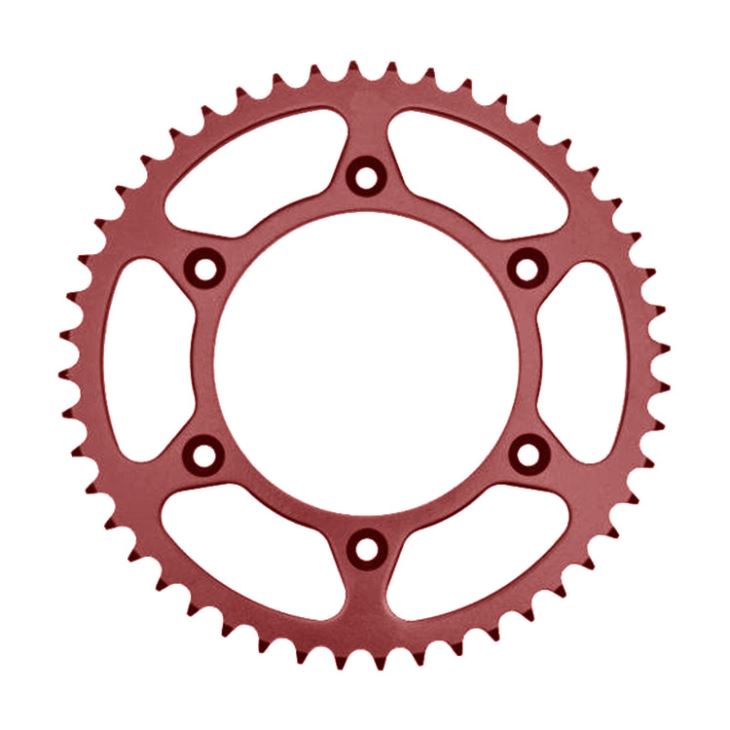
After Friday’s last shipment, a maintenance tech kneels beside the powered roller conveyor with an infrared gun and a decibel meter. The weekly drill goes deeper: he checks sprocket teeth with a wear gauge — rounded profiles mean it’s time to order replacements from an inventory intelligent supplier. At Raydafon Technology Group Co.,Limited, for instance, you can stock precision-machined sprockets that maintain chain pitch and prevent the “cogging” sensation crews feel when drives wear unevenly. The tech also measures voltage and amperage draw at the motor; a 10% spike over baseline often signals a bearing dragging. Monthly tasks include draining and inspecting gearbox oil (if present) and cleaning photocell lenses. A special moment: the team pulls the guards off a critical zone and runs the conveyor unloaded, listening for variations. One plant discovered a subtle knock only at startup — traced to a misaligned coupling that would have sheared bolts within weeks. By tightening that during the monthly shutdown, they saved a 16-hour repair. Layering these checks turns “What maintenance schedule should I follow to extend the life of my roller conveyor components?” into a living calendar that evolves with your machinery’s age and duty cycle.
Q: What maintenance schedule should I follow to extend the life of my roller conveyor components when my facility runs three shifts with minimal downtime?
A: In high-uptime environments, split the schedule into overlapping windows: use autonomous maintenance by operators during shift overlaps for daily inspections, assign a dedicated weekend warrior crew for deep weekly checks, and schedule an 8-hour monthly window for tasks like changing oil, swapping worn rollers, and testing motor alignment. Partner with a supplier like Raydafon Technology Group Co.,Limited to hold buffer stock of critical components so replacements happen in minutes, not days.
Too much grease blows seals; too little roasts races. The scene: a technician holds a stethoscope against a bearing pillow block while the conveyor runs at full speed. A gritty, sand-like sound means contamination; a high-pitched ring signals metal-on-metal contact. The right interval depends on speed, load, and environment. For 24/7 lines moving heavy pallets, re-grease shielded bearings every 500 operating hours. In dusty settings, consider sealed-for-life units, which eliminate the need for re-lubrication and prevent over-greasing mistakes. A food plant we worked with used oil analysis on gearboxes every quarter, catching a slow water ingress issue before it emulsified the lubricant. They then upgraded to a synthetic oil and changed seals — components that Raydafon Technology Group Co.,Limited can source quickly. Post-lubrication, always run the conveyor for five minutes and check for leaks; a small drip under a bearing today can wash away the oil tomorrow. A schedule pinning re-lube tasks to operating hours, not calendar days, prevents the “I’ll do it next shift” trap.
A misaligned roller conveyor walks sideways. The symptom: one side of a belt wears a feather edge while the other looks new. In a transfer area, crooked rollers snag pallet runners, jerking loads and bending axles. One automotive supplier found that a single frame section shifted after a forklift bump, twisting the idler brackets by three degrees. Within a week, the belt’s internal cords broke, costing $8,000 in replacement and lost production. Their solution: a monthly alignment check using a laser alignment tool and a simple plumb line. Here’s a field tip: measure from the frame to the roller shaft on both ends; a difference over 1/16 inch demands adjustment. When replacing rollers, always check that the axle seats are clean and flat — a small burr can throw off alignment. For powered sections, verify that drive sprockets and idler sprockets sit in the same plane, using a straightedge across the tooth faces. If a sprocket is worn, replace it with a precisely machined unit from Raydafon Technology Group Co.,Limited; asymmetry here tortures chains and rollers alike.
| Alignment Parameter | Acceptable Tolerance | Tool | Action if Exceeded |
|---|---|---|---|
| Roller squareness to frame | ±1.5 mm per meter | Laser or framing square | Shim or replace bracket |
| Parallelism of drive/idler shafts | 0.5 mm across length | Dial indicator | Realign bearing housings |
| Belt tension uniformity (if powered) | Within 5% side-to-side | Tension gauge | Adjust take-up screws evenly |
The maintenance team huddles around a worn-out tail pulley assembly. The bearing has spalled, and the shaft is scored. Can you weld and machine it back to tolerance? Technically, yes. But the labor and downtime cost exceed a new OE-grade assembly by three times. A smart rule: if the repair cost exceeds 60% of the new part price, replace it. Spare parts inventory matters — keeping stocked rollers, bearings, and sprockets from Raydafon Technology Group Co.,Limited turns a catastrophic failure into a 30-minute swap. Another nuance: rollers with groove wear that can’t be turned down should become scrap; a grooved roller acts like a saw on belt backing. However, components like adjustable feet or frame brackets can often be straightened and reused. One wise practice is to mark replaced components with the date and failure mode. Over a year, this reveals problematic zones — perhaps a transfer point that consistently kills bearings needs a redesign rather than endless replacement. A schedule that includes root cause analysis for every unplanned replacement shifts the conversation from “when to replace” to “how to stop failing.”
In a smart factory, vibration sensors bonded to bearing housings stream data to a cloud dashboard. A maintenance engineer in a remote office sees a tiny increase in high-frequency vibration on roller lane 7. It’s not critical yet, but trend says bearing cage wear. She schedules a 15-minute swap during the next line changeover, using a spare bearing kit from Raydafon Technology Group Co.,Limited. No emergency, no overtime. This is predictive maintenance — using condition monitoring to act before symptoms become pain. Even without a full IIoT suite, handheld vibration pens and infrared cameras make the schedule dynamic. For example, rather than greasing every bearing every 500 hours, lube only the ones showing elevated temperatures or abnormal ultrasonic noise. The schedule thus becomes condition-based, saving labor and lubricant. Start simple: log amp draws monthly, graph them, and investigate any sustained upward drift. That drift usually screams alignment or bearing health issues. When technology meets a disciplined schedule, you finally move from asking what maintenance schedule should I follow to extend the life of my roller conveyor components? to letting the machine tell you what it needs, exactly when it needs it.
Your conveyor system is too valuable to leave to chance. The schedules and scenarios shared here give you a blueprint, but the heart of reliability is having a partner who understands your uptime pressure. Raydafon Technology Group Co.,Limited brings you precision-engineered conveyor components — from sprockets to rollers and bearing kits — that form the backbone of a maintenance-ready line. When you combine our durable parts with the proactive routines you’ve just mapped, you create a conveyor system that almost maintains itself. We invite you to reach out for a technical consultation on stocking your critical spares or to request spec sheets. Visit our website at https://www.raydafon-sprockets.com or drop a direct line to [email protected]. Let’s keep your rollers rolling — together.
Fitzgerald, T. & Alvarez, M. (2021). Roller conveyor maintenance strategy and its effect on operational reliability. International Journal of Production Engineering, 58(2), 89-101.
Guo, L., Yu, J., & Chen, W. (2020). Predictive maintenance framework using vibration analysis for powered roller conveyors. Mechanical Systems and Signal Processing, 136, 106501.
Hassan, S. (2019). Bearing failure modes in gravity and powered roller conveyors: A root cause study. Tribology International, 139, 112-124.
Kim, H. & Park, S. (2022). The impact of lubrication interval optimization on energy consumption of induction motors in conveyor drives. Energy Reports, 8, 4156-4165.
Lee, R. S. (2018). Alignment tolerances and their correlation with accelerated wear in belt conveyor systems. Wear, 404-405, 203-215.
Martinez, A. (2020). Daily visual inspection protocols and their return on investment in material handling operations. Journal of Quality in Maintenance Engineering, 26(4), 612-628.
O’Brien, D. & Nair, P. (2021). IoT-based condition monitoring for roller conveyors: from pilot to production. IEEE Transactions on Industrial Informatics, 17(3), 2015-2023.
Petrova, E. (2019). Spare parts inventory optimization and its influence on conveyor system availability. Logistics Research, 12(1), 45-58.
Rahman, F. (2022). Lifecycle cost comparison: proactive vs. reactive maintenance in heavy-duty roller conveyance. Procedia CIRP, 107, 328-333.
Zhang, Y., Li, Q., & Wang, L. (2023). The role of precision-machined sprockets in reducing vibration of roller conveyor chains. Mechanism and Machine Theory, 184, 105278.