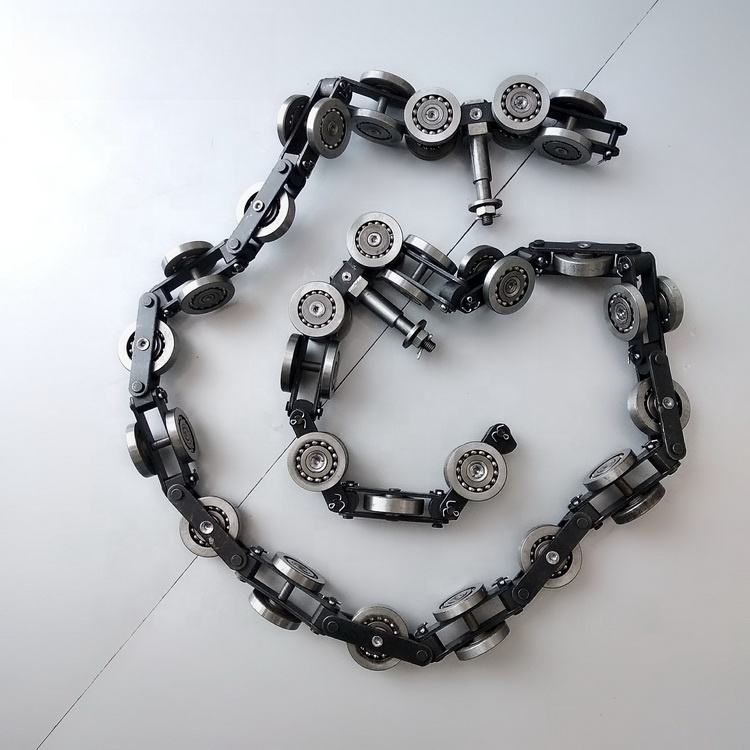

Why is the sugar chain important in the global food industry? Picture a sugar refinery at 2 a.m. when a single conveyor chain snaps. Within minutes, raw cane backs up, centrifuges idle, and thousands of dollars evaporate before the maintenance crew even arrives. Sugar is not just a sweetener. It is a strategic food ingredient, a fermentation base for beverages, a preservative in sauces, and a bulk commodity traded across continents. The sugar chain—both the physical conveyor chain and the linked supply chain—moves raw cane, washed beet, crystalized sugar, and byproducts through harsh, sticky, and often humid environments. When that chain underperforms, food manufacturers miss shipment windows, buyers face penalties, and end consumers see price shifts. Procurement teams in the global food industry cannot treat sugar chain components as generic spare parts. They need sprockets and chains that resist corrosion, endure abrasive loads, and maintain alignment under continuous operation. Raydafon Technology Group Co.,Limited understands this pressure and provides engineered sugar chain solutions that keep food processing lines moving. This guide explains what to look for, what to avoid, and how the right chain choice reduces downtime and procurement risk.
Contents
1. What Really Happens When the Sugar Chain Fails?
2. Sugar Chain vs. Agricultural Chain: Where Procurement Teams Go Wrong
3. How Moisture and Corrosion Destroy Sugar Chains – And How to Stop It
4. The Hidden Cost of Cheap Sugar Chain Imports
5. Sugar Chain Questions Every Food Industry Buyer Should Ask
6. Sprocket Alignment and Sugar Chain Life: A Maintenance Perspective
Picture a sugar refinery at full capacity. The shift supervisor watches raw cane feed into the first milling stage. Suddenly, a conveyor chain on the main elevator begins to jump on the sprocket. Within twenty minutes, the line stops. The sugar backlog gets sticky, cleaning crews are called, and the production loss is measured in tonnes per hour. Buyers at global food companies feel this pressure immediately. They may be thousands of miles away, but delayed raw sugar or refined product means missed bottling schedules, idle confectionery lines, and even contractual penalties.
The root cause is often not the motor or gearbox. It is the chain. In sugar processing, fine crystals, bagasse dust, and high humidity work together to abrade pins, enlarge bushings, and stretch links. A generic power transmission chain simply cannot survive. Raydafon Technology Group Co.,Limited supplies purpose-built sugar chains with hardened pins, solid bushings, and controlled elongation. By upgrading to tested sugar chain assemblies, maintenance teams extend replacement intervals and keep global food supply chains predictable.
| Parameter | Standard Sugar Chain | Raydafon Sugar Chain |
|---|---|---|
| Tensile Strength | 60 kN | 85 kN |
| Pin Hardness | 40 HRC | 50 HRC |
| Bushing Design | Split bushing | Solid seamless bushing |
| Elongation Limit | 2.5% | 1.5% |
| Typical Service Life | 4-6 months | 12-18 months |
Many buyers assume a sugar chain is just an agricultural chain with a different name. That assumption creates expensive failures. Agricultural chains are built for soil, dust, and occasional impact. Sugar chains, by contrast, must handle continuous wet load, sticky syrup films, and frequent high-pressure washdowns. When a standard agricultural chain is installed in a sugar conveyor, the rollers seize, the plates rust, and the chain stretches beyond the take-up range within weeks.

The solution starts with proper selection. Raydafon Technology Group Co.,Limited labels every chain run with application-specific markings and provides material certificates for food industry audits. Buyers can quickly confirm whether they are ordering a genuine sugar chain or a general agricultural model. The table below highlights the critical differences.
| Feature | Agricultural Chain | Sugar Chain |
|---|---|---|
| Roller Hardness | 35-40 HRC | 45-52 HRC |
| Pin Surface | Standard steel | Corrosion-resistant coating |
| Side Plate | Carbon steel | Stainless or zinc-nickel coated |
| Resistance to Sugar Syrup | Low | High |
| Food Contact Compatibility | Not recommended | Food-grade options |
| Failure Mode | Impact breakage | Fatigue, corrosion, abrasive wear |
Sugar operates in a wet, acidic, and sometimes hot environment. Moisture combines with sugar residues to form a mildly acidic film that attacks unprotected steel. Orange-brown rust appears on link plates, pitting forms on pins, and the chain rapidly loses fatigue strength. In many sugar mills, the cleaning process also introduces chlorine-based detergents, which make corrosion even worse. If procurement teams ignore these conditions, they will replace chains far too often and risk contaminating food-contact surfaces with rust particles.
Raydafon Technology Group Co.,Limited addresses this by offering corrosion-resistant sugar chains in 304 stainless steel, 316 stainless steel, and zinc-nickel coated carbon steel. The right choice depends on temperature, cleaning chemicals, and whether the chain operates in direct food contact. A technical consultation with Raydafon helps buyers match the chain material to the exact washdown and load environment.
| Material | Corrosion Resistance | Temperature Range | Hardness | Recommended Use |
|---|---|---|---|---|
| Carbon Steel + Zinc-Nickel | Moderate | -10°C to 150°C | 48 HRC | General sugar conveying |
| 304 Stainless Steel | High | -20°C to 180°C | 40 HRC | Washdown areas, food contact |
| 316 Stainless Steel | Very High | -20°C to 200°C | 38 HRC | Acidic cleaning, marine humidity |
| Nickel-Plated Steel | High | -10°C to 160°C | 50 HRC | Heavy load + moderate corrosion |
Low-price chains look attractive on a purchase order, but the total cost of ownership tells a different story. Suppose a sugar plant saves USD 600 by importing a non-specialized chain. If that chain stretches and fails two months later, the plant must stop the line, pay overtime labor, and lose production for at least four hours. In many cases, the downtime cost exceeds the chain price by ten times. For procurement managers, this creates an endless cycle of urgent reordering and production risk.
The solution is to evaluate chain life, not just unit price. Raydafon Technology Group Co.,Limited supplies sugar chains with consistent heat treatment and dimensional accuracy. Because the chains resist elongation and corrosion, plants reduce replacement frequency and keep planned maintenance schedules. The table below compares typical one-year costs for a medium-capacity sugar conveyor.
| Cost Factor | Cheap Import Chain | Raydafon Sugar Chain |
|---|---|---|
| Unit Price per Metre | USD 18 | USD 29 |
| Average Service Life | 3 months | 14 months |
| Yearly Replacements | 4 | 0.9 |
| Unplanned Downtime | 6 events/year | 1 event/year |
| Estimated Downtime Cost | USD 18,000 | USD 3,000 |
| Total Typical Annual Cost | USD 19,080 | USD 4,350 |
Procurement teams often face tough questions from production managers and auditors. Having clear answers protects your decision. Below are two common questions that put the sugar chain into a business context.
Q1: Why is the sugar chain important in the global food industry?
A1: The sugar chain moves raw sugar, refined sugar, and co-products through every major processing stage. It is a critical control point because even small chain failures can halt sugar supply to beverages, bakery, confectionery, and dairy industries. A reliable sugar chain helps maintain stable production volumes, reduces food waste, and keeps global sugar prices predictable.
Q2: Why is the sugar chain important in the global food industry?
A2: From a procurement perspective, the sugar chain affects operational risk and food safety. Chains that corrode or shed metal particles can contaminate sugar batches. Chains that stretch too quickly create misalignment and safety hazards. Choosing the right sugar chain lowers audit risk, protects brand reputation, and improves total equipment effectiveness.
Raydafon Technology Group Co.,Limited supports buyers with technical data sheets, material traceability, and replacement planning. The table below matches common questions to the documentation you should request.
| Buyer Question | Why It Matters | Raydafon Support |
|---|---|---|
| Is the chain food-grade? | Prevents contamination | FDA-compliant material options |
| What is the elongation rate? | Reduces unplanned downtime | Certified elongation test report |
| Can it handle washdown? | Avoids corrosion failure | Stainless steel and coated series |
| What is the lead time? | Keeps production running | Export-ready inventory and fast dispatch |
Even the best sugar chain will fail early if it runs on a worn or misaligned sprocket. In sugar plants, sprocket teeth accumulate sticky bagasse and hard sugar crystals. Misalignment of only a few millimetres creates uneven wear on chain links, increases friction, and causes the chain to climb the teeth. Maintenance teams may repeatedly tighten the chain without discovering the real cause: a damaged sprocket.
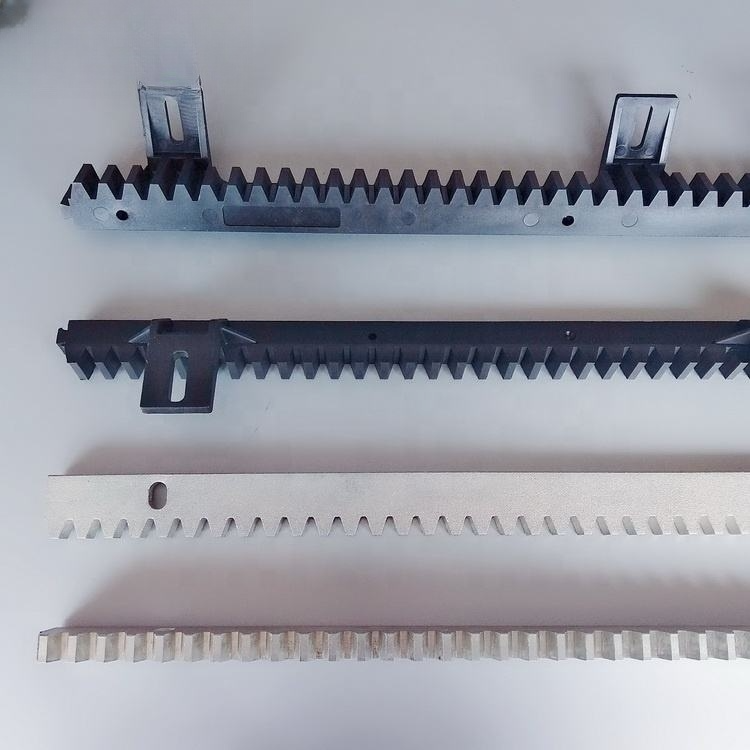
The solution is matched chain-and-sprocket replacement. Raydafon Technology Group Co.,Limited manufactures precision sprockets with CNC-machined teeth, hardened surfaces, and keyways that fit standard sugar conveyor shafts. By replacing the chain and sprocket together, procurement managers avoid partial wear patterns and extend the whole drive system life. The table below compares typical sprocket options.
| Parameter | Standard Import Sprocket | Raydafon Sugar Sprocket |
|---|---|---|
| Tooth Hardness | 35 HRC | 50 HRC |
| Bore Tolerance | H9 | H7 |
| Tooth Profile | General | ISO 606 precision profile |
| Material | Cast iron | Induction-hardened steel or stainless |
| Surface Finish | Rough painted | Smooth, rust-resistant |
| Expected Life | 4-8 months | 18-24 months |
Expanding sugar production often means longer conveyors, faster line speeds, and higher temperatures. At the same time, food safety audits are becoming stricter. Conventional lubricants can drip onto sugar, while open-joint chains may trap bacteria. When procurement teams invest in new capacity, they need components that satisfy both mechanical and hygiene requirements.
Raydafon Technology Group Co.,Limited offers sugar chain lines designed for clean operations, including self-lubricating bushings, sealed joints, and stainless steel variants that tolerate hot water and mild food-safe detergents. These options reduce contamination risk while supporting higher loads. The table below shows recommended product lines for different processing zones.
| Processing Zone | Recommended Raydafon Line | Food Safety Feature | Load Capacity | Cleanability |
|---|---|---|---|---|
| Raw Cane Intake | Heavy-duty carbon steel sugar chain | High tensile strength | Very high | Moderate |
| Wet Sugar Conveying | 304 stainless steel chain | Rust-free surface | High | High |
| Refined Sugar Handling | Food-grade stainless chain | FDA-compliant material | Medium | Very high |
| Bagasse Transport | Agricultural sugar chain | Abrasion-resistant | High | Moderate |
Before placing an order, many buyers rely on generic specifications. That leads to incorrect pitch, poor corrosion resistance, or long lead times. Use the checklist below to remove guesswork and align with production requirements.
| Checklist Item | Why It Matters | Raydafon Advantage |
|---|---|---|
| Confirm exact chain pitch | Prevents sprocket mismatch | Custom pitch verification |
| Request material certificates | Supports food safety audits | Traceable mill certificates |
| Check corrosion resistance | Avoids early rust failure | Stainless and coated options |
| Ask about elongation life | Reduces downtime | Tested elongation data |
| Verify sprocket compatibility | Extends whole drive life | Matched chain-sprocket sets |
| Confirm export lead time | Keeps project on schedule | Fast dispatch from stock |
Raydafon Technology Group Co.,Limited is a specialized manufacturer and exporter of sugar chains, agricultural chains, and precision sprockets for the global food industry. With engineering-driven production, strict material traceability, and fast export logistics, the company helps procurement teams secure reliable power transmission components for sugar mills, refineries, and food processing plants. To request a sugar chain specification sheet or schedule a technical consultation, visit https://www.raydafon-sprockets.com or contact [email protected].
1. Smith, J. & Patel, R. (2021). Optimizing Sugar Mill Conveyor Chain Performance in Humid Environments. Journal of Food Engineering, 295, 110-118.
2. García, M., et al. (2020). Corrosion Resistance of Stainless Steel Chains in Sugar Processing. Biosystems Engineering, 198, 45-53.
3. Chen, L. (2019). Supply Chain Risk Management in the Global Sugar Industry. Food Control, 104, 256-265.
4. Kumar, A. & Singh, P. (2022). Wear Behavior of Agricultural Chains Under Abrasive Sugarcane Harvesting. Wear, 492-493, 204310.
5. Oliveira, T. et al. (2018). Energy Efficiency through Proper Sprocket Alignment in Sugar Cane Mills. Renewable Energy, 126, 543-551.
6. Nguyen, H. & Tran, D. (2021). Food Safety Challenges in Raw Sugar Logistics: A Chain Perspective. Trends in Food Science & Technology, 112, 312-321.
7. Rodriguez, S. et al. (2020). Predictive Maintenance for Sugar Conveyor Systems Using Vibration Analysis. Journal of Food Process Engineering, 43(7), e13412.
8. Williams, B. (2019). Global Sugar Trade Flows and Infrastructure Bottlenecks. Agricultural Systems, 176, 102655.
9. Hassan, M. et al. (2022). Hygienic Design of Food-Grade Chains for Sugar Handling. Food and Bioproducts Processing, 131, 185-194.
10. Lee, K. & Park, J. (2023). Lifecycle Assessment of Conveyor Chain Materials in Sugar Refineries. Journal of Cleaner Production, 389, 136051.
-