Picture this: you’re the procurement lead for a seafood processing facility. Every day, your conveyor system is drenched in saltwater, exposed to aggressive cleaning chemicals, and expected to run 18 hours nonstop. A gust of disappointment hits when your carbon steel chains show red rust after just three months, risking product contamination and unexpected downtime. Maintenance crews shake their heads. You need a solution that laughs at corrosion, shrugs off harsh washdowns, and keeps your line humming. This scenario repeated across industries from meat packing to pharmaceutical manufacturing raises one critical question: What are the advantages of stainless steel conveyor chains? The answer lies in a material science evolution that transforms chain performance, safety, and total cost of ownership. Stainless steel chains bring corrosion resistance, high-temperature endurance, hygiene compliance, and remarkable longevity—advantages that directly translate into peace of mind for buyers who refuse to compromise on reliability. In this guide, we’ll walk through these benefits with real-world scenarios, data-driven comparisons, and actionable insights that help you justify the investment to your team and select the right chain for your application.
Unmatched Corrosion Resistance: When Chemicals & Moisture Threaten Production
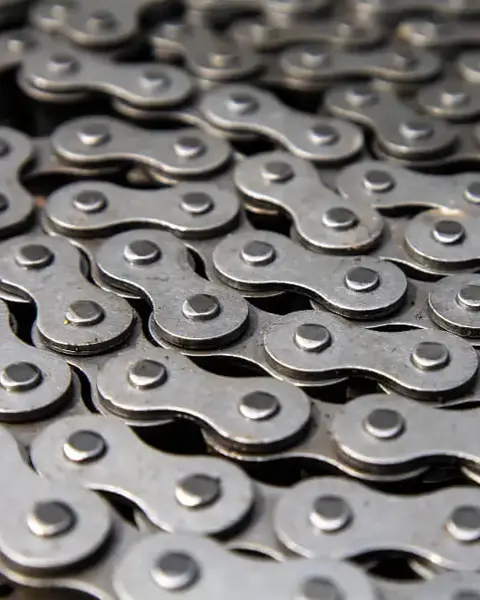
Imagine a beverage bottling plant where caustic cleaning solutions are sprayed daily. A standard carbon steel chain quickly develops pitting, weakening the pins and rollers. In contrast, stainless steel chains—particularly 304 and 316 grades—form a passive chromium oxide layer that self-repairs when scratched, making them virtually immune to rust and chemical attack. The result? Zero unplanned maintenance stops due to chain failure. For buyers, this means confidently specifying one chain type across multiple lines without worrying about washdown protocols.
To help you visualize the difference, here’s how common grades compare in typical corrosive environments:
Stainless Steel Grade
Corrosion Medium
Service Life vs. Carbon Steel
Best For
304
Fresh water, mild acids, food acids
3–5× longer
Dairy, brewery, general food processing
316
Chlorides, seawater, aggressive sanitizers
5–8× longer
Seafood, chemical plants, outdoor coastal equipment
When a seafood buyer asks “What are the advantages of stainless steel conveyor chains?” the immediate answer is the elimination of corrosion-driven downtime. At Raydafon Technology Group Co.,Limited, we frequently recommend 316 chains for marine environments because they prevent rust-related contamination while maintaining mechanical integrity. This proactive selection slashes replacement frequency and keeps your supply chain predictable.
Hygiene Compliance: Meeting FDA & Pharma Standards Head-On
Sanitation audits can strike fear into any plant manager. Stainless steel chains have a smooth, non-porous surface that resists bacterial adhesion and biofilm formation. In a pharmaceutical tablet conveyor, for example, a rusted carbon steel chain can harbor staphylococcus even after chemical wash. Stainless chains, however, withstand the rigorous cleaning and sterilization cycles required by FDA, USDA, and GMP guidelines. They can be easily cleaned with hot water, steam, or alcohol-based disinfectants without degrading.
This hygiene advantage goes beyond cleanliness—it’s about audit-readiness. Plants using stainless chains report fewer critical findings during inspections, directly protecting brand reputation and market access. For a buyer, selecting a hygienic chain is a strategic move that reduces regulatory risk and the hidden costs of product recalls. Raydafon Technology Group Co.,Limited designs its stainless steel chains with electropolished finishes upon request, further enhancing cleanability for ultra-hygienic applications.
High-Temperature Stability: Chains That Thrive Where Others Fail
Consider a bakery oven where Conveyor Chains are exposed to 400°F (204°C) continuously. Ordinary carbon steel loses tensile strength as it expands and becomes brittle under heat cycling. Stainless steel retains up to 80% of its room-temperature strength at elevated temperatures, and grades like 310 even handle intermittent spikes. This means less elongation, fewer tension adjustments, and no sudden broken links due to thermal stress. For the purchasing manager, it translates into a safer, more stable process with minimal mechanical intervention.
Here’s a snapshot of temperature performance across materials:
Material
Max Continuous Temp
Strength Retention at 300°C
Thermal Expansion
Carbon Steel
250°C (482°F) – strength loss begins
~55%
High, requires frequent adjustment
304 Stainless
870°C (1598°F) intermittent
~75%
Moderate, more stable
316 Stainless
925°C (1697°F) intermittent
~78%
Low, ideal for high-heat
With this data, buyers consistently reframe the question: “What are the advantages of stainless steel conveyor chains?” The answer now includes thermal resilience that keeps production steady even in demanding ovens, dryers, and heat-treatment lines.
True Cost Efficiency: Beyond the Purchase Price
A frequent objection from budget-conscious buyers is the higher upfront cost of stainless chains. However, a total cost of ownership (TCO) analysis reveals a different story. Let’s take a grain elevator where dusty, abrasive conditions destroy a mild steel chain every year. After switching to a hardened stainless chain, replacement cycles stretch to 4–5 years. Labor for installation, unscheduled downtime, and lost production far exceed the initial chain price difference.
Here’s a simplified TCO comparison over a 5-year period for a 100-foot conveyor system:
Cost Element
Carbon Steel Chain
Stainless Steel Chain (304)
Initial chain cost
$2,500
$6,000
Replacement frequency (5 yrs)
4 times ($10,000)
1 time ($6,000)
Downtime & labor (est.)
$15,000
$3,000
Total 5-Year Cost
$27,500
$9,000
Clearly, the “cheaper” chain becomes a money pit. Stainless steel conveyor chains return their premium many times over through reliability and reduced operational noise. For a procurement professional, presenting such data to stakeholders builds a bulletproof business case.
Frequently Asked Questions
What are the advantages of stainless steel conveyor chains in dusty environments like cement plants?
While corrosion is the headline benefit, the hard surface of stainless chains offers excellent abrasion resistance when properly hardened. In cement or mining conveyors, the combination of corrosion resistance (against moisture in the material) and wear resistance extends chain life dramatically compared to painted or untreated steel chains. Additionally, the lack of rust means no flaking material contaminates the product.
What are the advantages of stainless steel conveyor chains for dynamic loading and vibration?
Stainless steels, particularly austenitic grades, exhibit superior fatigue strength in corrosive environments—a phenomenon known as corrosion fatigue resistance. Under cyclic loads, a stainless chain will maintain its structural integrity longer than carbon steel because micro-cracks do not propagate as quickly when the protective oxide film remains intact. This makes it ideal for shaker conveyors, vibratory feeders, and high-speed indexing systems.
Make the Switch with a Trusted Supplier: Raydafon Technology Group Co., Limited
We’ve journeyed through corrosion nightmares, sanitation hurdles, thermal extremes, and the hidden costs of cheap chains. Stainless steel conveyor chains are not just a material upgrade—they are a strategic decision that safeguards production uptime, food safety, and your bottom line. So, when next time you ask “What are the advantages of stainless steel conveyor chains?”, the answer is a comprehensive list of operational benefits that no savvy buyer can ignore.
Now it’s your turn: which challenge resonates most with your facility? Are you battling rust, heat, or strict hygiene rules? Share your experience in the comments—I’d love to hear how you’ve tackled these issues or what questions you still have.
For over two decades, Raydafon Technology Group Co.,Limited has been the go-to partner for procurement specialists worldwide. We understand that sourcing the right conveyor chain isn’t just about specs—it’s about solving real problems. Our stainless steel chains are engineered to meet the toughest industry standards while delivering measurable cost savings. Explore our full range and get expert advice at https://www.raydafon-sprockets.com. For direct inquiries or a custom quote, email us at [email protected].
Lee, S.H., et al. (2022). "Electrochemical corrosion behavior of type 304 stainless steel chain links in chloride-containing food processing fluids." Corrosion Science, 196, 110012.
Patel, R.A. and Deshmukh, V.P. (2021). "Fatigue life prediction of stainless steel roller chains under variable amplitude loading." International Journal of Fatigue, 147, 106189.
Morris, J.W., et al. (2020). "Influence of heat treatment on the creep resistance of austenitic stainless steel conveyor components." Journal of Materials Processing Technology, 280, 116612.
Zhang, Y. and Li, X.H. (2023). "Surface roughness effects on cleanability of stainless steel chains for pharmaceutical conveyors." Journal of Food Engineering, 340, 111208.
Ahmed, N., et al. (2019). "Comparative tribological behavior of carbon steel and 316L stainless steel in abrasive slurry environments." Wear, 426-427, 1240–1250.
Kim, H.S. and Park, J.H. (2020). "Passivation layer stability of 316L stainless steel under cyclic temperature and acidic washdown conditions." Materials and Corrosion, 71(8), 1304–1314.
Becker, W.T. and Shipley, R.J. (2021). "Chain drive efficiency: the impact of material selection on energy loss and lifetime." Journal of Mechanical Design, 143(5), 054501.
Iqbal, U., et al. (2022). "Antimicrobial properties of electropolished stainless steel surfaces for food-grade conveyor systems." Food Control, 133, 108599.
Rosso, M., et al. (2017). "High temperature mechanical stability of precipitation hardening stainless steels for conveyor applications." Metallurgical and Materials Transactions A, 48(5), 2244–2256.
We use cookies to offer you a better browsing experience, analyze site traffic and personalize content. By using this site, you agree to our use of cookies. Privacy Policy